Cornerstone

Multimedia Ballet

A conductor does not perform the music. He shapes when it breathes. A choreographer does not simply move the body. She shapes when the body speaks.

Multimedia Ballet

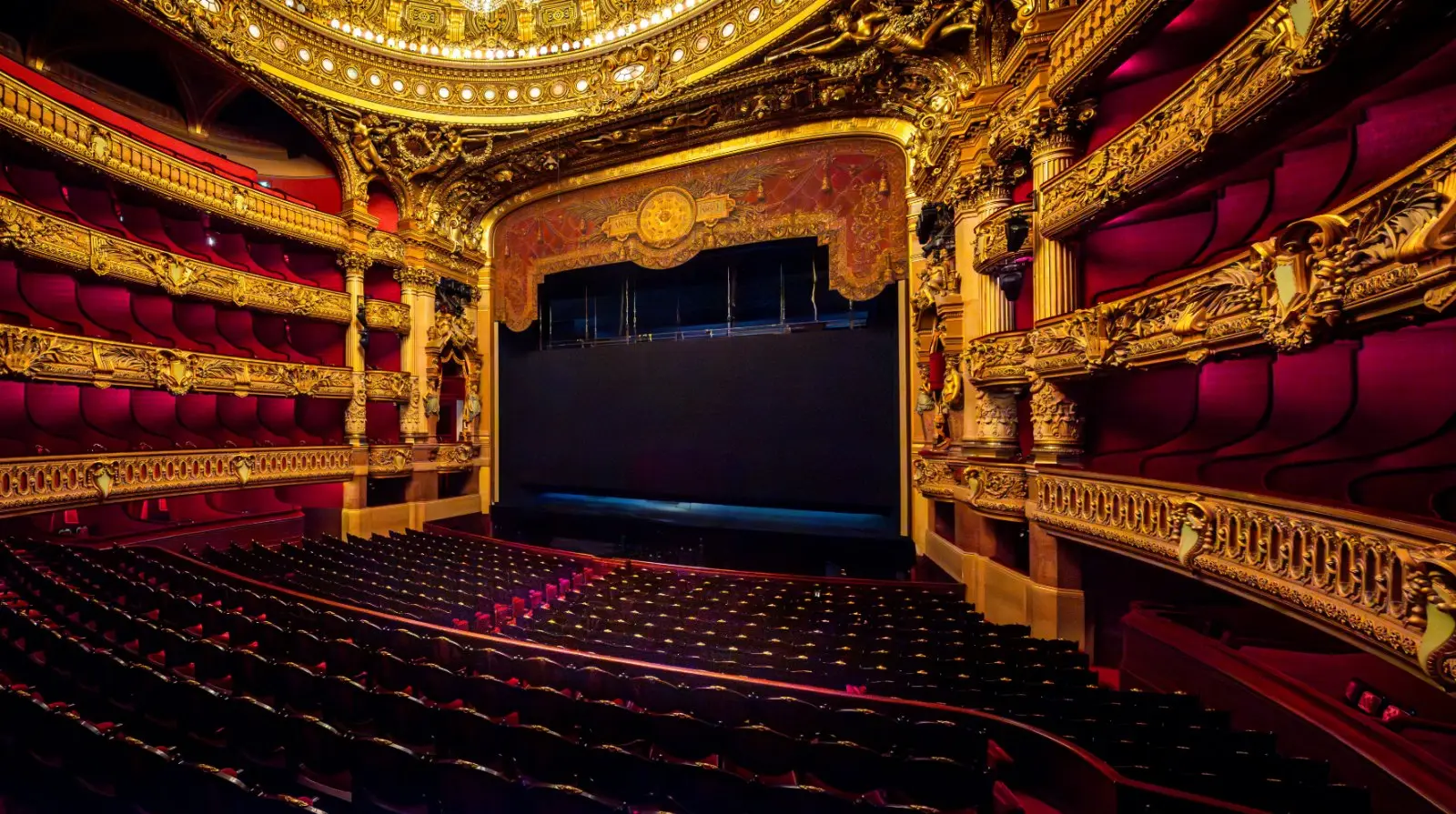
Multimedia ballet introduces another discipline to the stage: live projection mapping. A Motion Designer works alongside the dancers and orchestra, shaping the visual world in real time — responding to movement, music and the atmosphere of the performance. The result is a stage that does not simply surround the dancers. It performs with them.

A New Language for the Classical Stage

Multimedia ballet brings together disciplines that traditionally occupied separate parts of the theatre: classical choreography, orchestral music, scenography, light, image and digital technology. The purpose is not to replace the traditional language of ballet. It is to extend the possibilities of the stage around it. The choreography remains classical. The music remains central. The dancer remains at the heart of the performance. The visual environment becomes another instrument through which the story can be experienced. For a closer look at how this new language actually works, see What Is Multimedia Ballet?

The Visual World

Every production begins with a visual world. Architecture, atmosphere, light, colour and movement are designed around the dramatic structure of the ballet. Instead of a single fixed backdrop, digital scenography can transform the stage from one moment to the next — creating spaces that respond to the music and the movement of the dancers. Ballet Set Design

The Live Performance

The visual layer is not simply a film played behind the dancers. It is controlled during the performance by a Motion Designer who follows the score, the choreography and the movement on stage. The visual world can breathe with the orchestra, respond to the dancers and change with the dramatic moment. The technology is prepared in advance. The performance itself remains alive. Live Projection Mapping Performance

Two Classical Works, One New Visual Language

Classical Ballet Multimedia applies this approach to the great works of the classical repertoire. The Nutcracker becomes a world of winter, transformation and imagination. Swan Lake becomes a world of light, darkness, water and movement. The stories remain recognisable. The stage around them evolves.

Performances The Circle Private Gala Partnerships Concierge Reserve Tickets
Cornerstone
Multimedia Ballet

A conductor does not perform the music. He shapes when it breathes. A choreographer does not simply move the body.
She shapes when the body speaks.

The choreography remains classical. The stage has evolved.

Multimedia Ballet

Multimedia ballet introduces another discipline to the stage: live projection mapping. A Motion Designer works alongside the dancers and orchestra, shaping the visual world in real time — responding to movement, music and the atmosphere of the performance. The result is a stage that does not simply surround the dancers. It performs with them.

A New Language for the Classical Stage

Multimedia ballet brings together disciplines that traditionally occupied separate parts of the theatre: classical choreography, orchestral music, scenography, light, image and digital technology. The purpose is not to replace the traditional language of ballet. It is to extend the possibilities of the stage around it. The choreography remains classical. The music remains central. The dancer remains at the heart of the performance. The visual environment becomes another instrument through which the story can be experienced. For a closer look at how this new language actually works, see What Is Multimedia Ballet?

The Visual World

Every production begins with a visual world. Architecture, atmosphere, light, colour and movement are designed around the dramatic structure of the ballet. Instead of a single fixed backdrop, digital scenography can transform the stage from one moment to the next — creating spaces that respond to the music and the movement of the dancers. Ballet Set Design

The Live Performance

The visual layer is not simply a film played behind the dancers. It is controlled during the performance by a Motion Designer who follows the score, the choreography and the movement on stage. The visual world can breathe with the orchestra, respond to the dancers and change with the dramatic moment. The technology is prepared in advance. The performance itself remains alive. Live Projection Mapping Performance

Two Classical Works, One New Visual Language

Classical Ballet Multimedia applies this approach to the great works of the classical repertoire. The Nutcracker becomes a world of winter, transformation and imagination. Swan Lake becomes a world of light, darkness, water and movement. The stories remain recognisable. The stage around them evolves.